Sealed and unused surplus
Model-specific or mixed module inventory in original or controlled packaging, listed by full manufacturer part number.
 Get a quote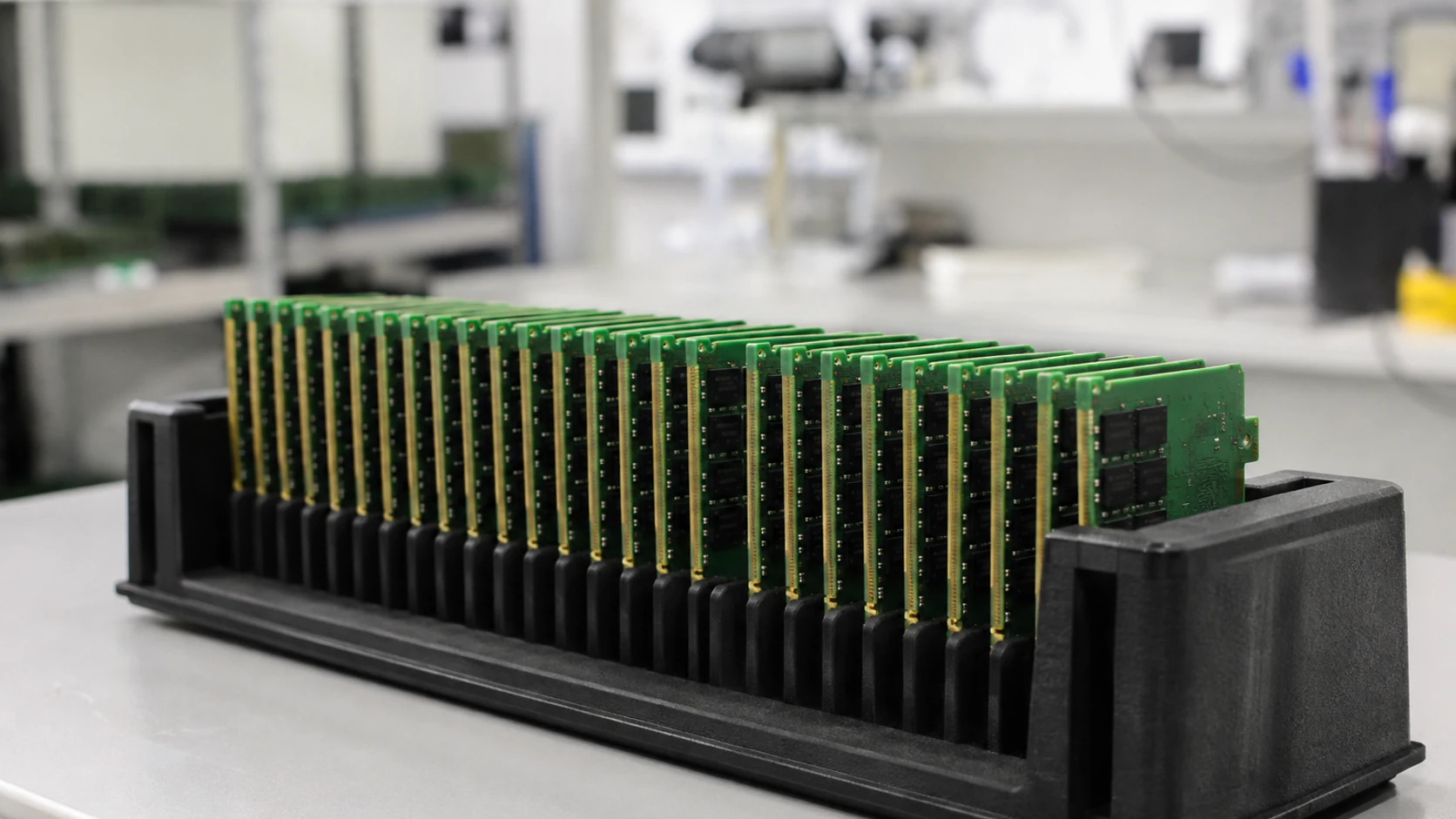
Server memory recovery
A focused intake route for surplus DDR3, DDR4, DDR5 and DIMM inventory from data centers, server manufacturers and IT asset teams.
Inventory routes
Clear condition groups help reviewers understand the evidence, testing uncertainty and practical next step for each lot.
Model-specific or mixed module inventory in original or controlled packaging, listed by full manufacturer part number.
Modules removed from retired servers, with available asset, removal or diagnostic records and an accurate statement of current test status.
Inventory separated by known condition, failure category and available test stage rather than combined with working or sealed material.
B2B checklist
The route may pause for clarification, representative samples or additional records. A submitted lot is not automatically accepted.
List the full part number, DDR generation, capacity, form factor, quantity and current location.
Keep sealed surplus, working pulls, untested modules and known failures in distinct lines or lots.
Provide clear label and packaging photographs plus available server, test or decommissioning records.
Clarify ownership, disposal authority, logistics, samples and any data-bearing equipment before a route is proposed.
Testing, acceptance criteria, price basis and delivery terms are confirmed only in a project-specific written agreement.
Data-bearing equipment
DRAM modules generally do not retain working data without power, but complete servers, SSDs and other storage devices may contain customer or operational data. Identify those assets separately so any removal, wiping, destruction or other treatment can follow the project’s written scope.
Read the compliance notice →Server memory questions
These answers describe the preliminary review route. Eligibility, testing, logistics and commercial terms remain project-specific.
Bulk DDR3, DDR4 and DDR5 memory-module inventory can be submitted. Each part number, capacity, form factor, condition and test status should be listed separately where possible.
Yes, it can be submitted for preliminary review. Describe it as untested after removal and include the available server, decommissioning or diagnostic history without implying an unsupported working condition.
No. Known failures, untested modules, working pulls and sealed surplus should be separated because their evidence, testing uncertainty and possible project routes differ.
Identify them separately before submission. Servers, SSDs and other storage devices can contain data and require a project-specific written data-handling and logistics scope.
No. Submission does not guarantee purchase, recoverable value, import eligibility, testing, processing or resale. Commercial terms follow only after the relevant facts are reviewed.
Ready to submit?
Send part numbers, quantities, declared condition and clear representative files.
Submit server memory inventory ↗Need a checklist?
Use the detailed B2B guide for module identity, condition groups, photographs and records.
Read the server memory guide →Start with the inventory details
Send the inventory list, part numbers, quantities or clear photos for a preliminary review.