
Start with the exact module identity
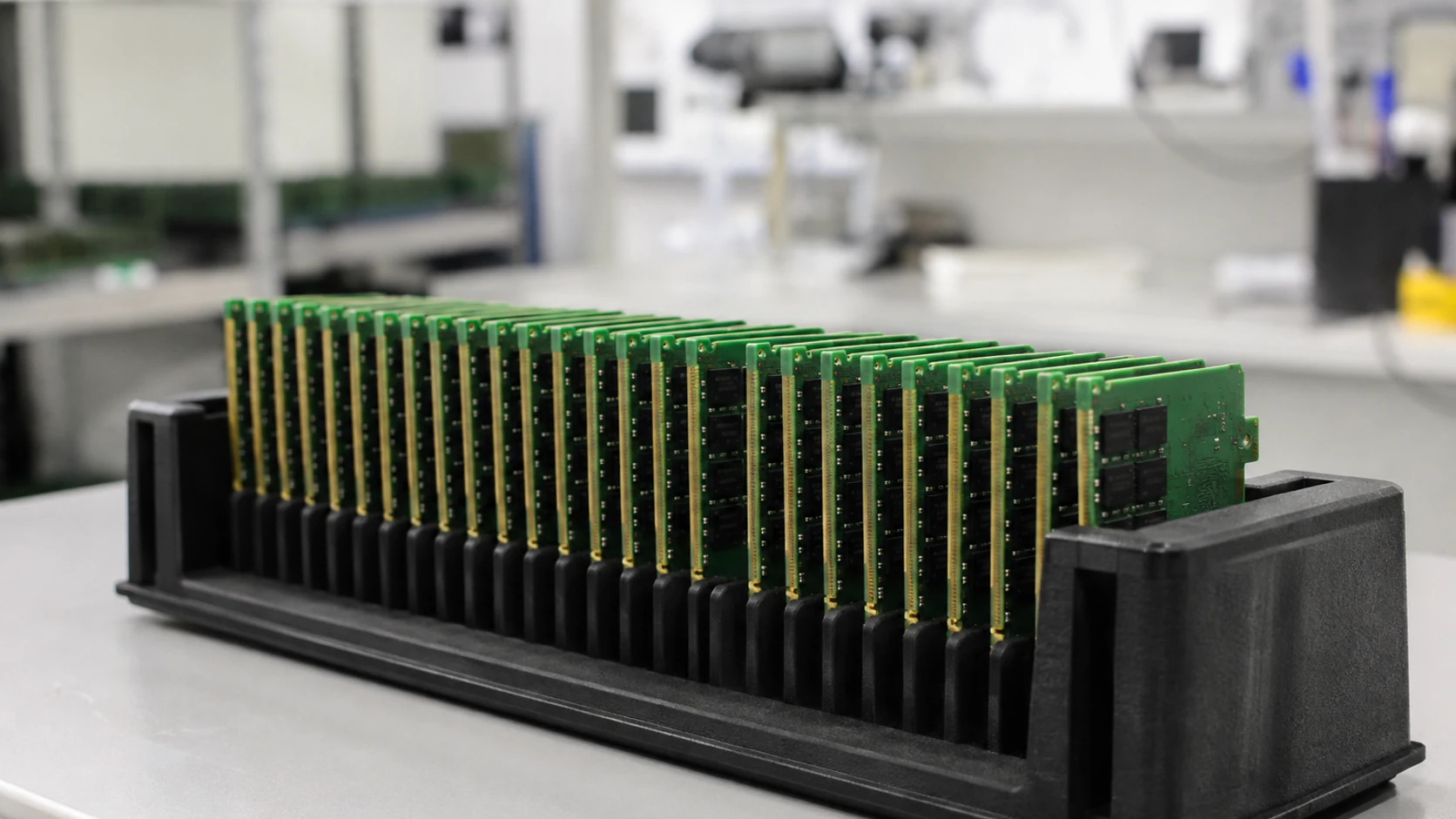
Server memory should be listed by the complete manufacturer part number shown on the module label. Do not shorten suffixes or combine modules that only look similar. The generation, capacity, rank, organization, speed, form factor and error-correction features can affect technical fit and demand.
Record whether each line contains DDR3, DDR4 or DDR5 modules and whether the form factor is DIMM, SODIMM or another format. If a label is damaged or unreadable, place that material in a separate line rather than guessing.
Separate complete modules from loose DRAM components
A finished memory module and a tray of loose DRAM packages are different inventory types. They may require different identification, testing, handling and downstream routes.
Keep complete modules, removed components, mixed boards and loose BGA packages in separate groups. Describe any prior rework, component removal or visible repair instead of presenting the material as a uniform lot.
Count by part number, condition and lot
Use one spreadsheet row for each consistent part number and declared condition. Separate factory-sealed stock, opened surplus, decommissioned working pulls, untested modules and known failures. Mixed conditions should not share one total unless the mix is clearly explained.
State the counting method and unit. For large inventories, identify whether the quantity is exact, based on sealed packaging or estimated from trays and cartons.
- Manufacturer and complete part number
- Memory generation, capacity and form factor
- Quantity and unit of measure
- Declared condition and known test status
- Date or lot code where available
- Current city and country
Preserve test and decommissioning records
Available records can help distinguish tested surplus from untested or failed material. Useful evidence may include server asset lists, removal dates, diagnostic summaries, failure categories or sample-test records.
A working-pull description should reflect known history, not an assumption. If modules were removed from retired servers without individual testing, state that clearly. Test rejects should identify the test stage and known failure information where possible.
Photograph labels, packaging and representative condition
Provide clear, unfiltered photographs of module labels, both sides of representative modules, trays or cartons and any visible damage. Photograph enough items to show whether the lot is consistent.
Keep ESD protection, original trays and carton labels when available. Packaging supports handling and identity, but it does not by itself prove electrical condition or authenticity.
Address data-bearing equipment separately
DRAM modules normally do not retain user data without power, but retired servers, SSDs and other storage devices can contain data. Do not treat complete servers or storage drives as ordinary memory-module inventory.
Identify any data-bearing equipment in advance. Data handling, media removal, wiping, physical destruction or other treatment must follow the project’s written scope rather than an assumed default.
Confirm ownership, location and logistics facts
Only submit inventory that the supplier owns or is legally authorized to offer. Identify customer restrictions, return obligations, destruction requirements or export limitations before review.
State the current location, approximate packed weight, number of cartons or pallets and whether loading access is available. Logistics and cross-border eligibility are project-specific and can affect whether a practical route exists.
Understand the preliminary review outcome
A complete submission can reduce clarification rounds, but it does not guarantee purchase, recoverable value, import eligibility, testing, processing or resale. The next step may be a request for more records, representative samples, a testing plan or a decision not to proceed.
Commercial terms should be confirmed only after the relevant technical, documentary, logistical and compliance facts have been reviewed.
Common questions
Can DDR3, DDR4 and DDR5 modules be submitted together?
Yes, but each generation, part number, capacity, condition and test status should be listed separately.
Can decommissioned server memory be reviewed without individual test reports?
It can be submitted for preliminary review. State that the modules are untested after removal and provide the available server or decommissioning history.
Should failed DIMMs be mixed with working pulls?
No. Keep known failures, untested modules and working pulls in separate groups with separate quantities.
Do server memory modules contain customer data?
DRAM generally loses working data when power is removed, but complete servers and storage devices may contain data and require a separately agreed handling scope.
Does submitting an inventory list create a purchase commitment?
No. Submission begins a preliminary review and does not guarantee purchase, value or a particular recovery route.
Ready to start with the facts?