DRAM
Packaged ICs, server and industrial memory products, subject to lot and condition review.
- DDR3
- DDR4
- DDR5
 Get a quote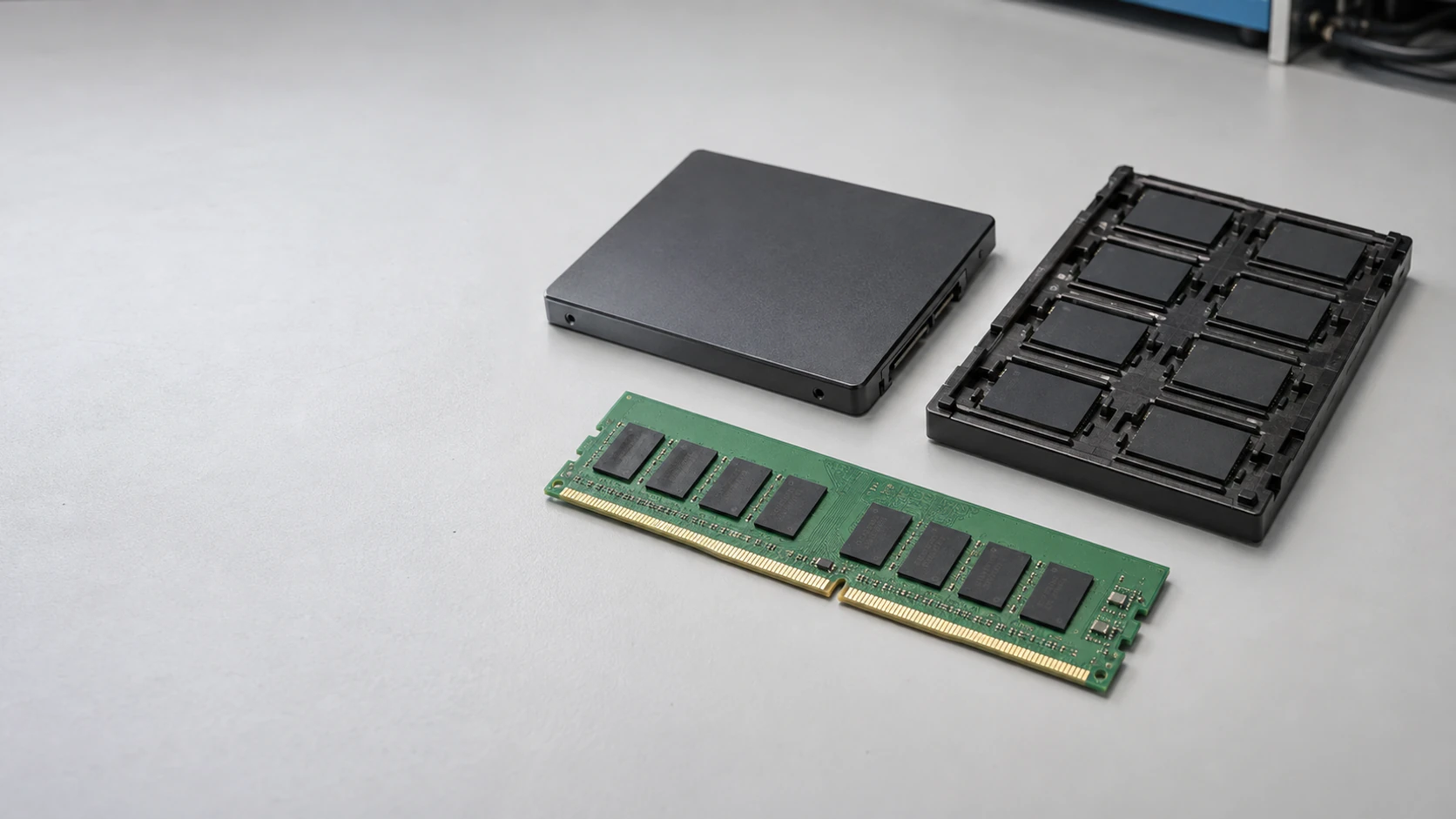
What we recover
Bulk DRAM, NAND, embedded storage, SSD and memory modules—reviewed by identity, condition and recoverable-value potential.
Memory specialist catalog
Send the manufacturer part number, quantity, packaging, date or lot code and known test status. Unknowns can be stated plainly.
Packaged ICs, server and industrial memory products, subject to lot and condition review.
Packaged flash, production surplus and traceable engineering inventory.
Embedded storage components for industrial, mobile and connected-device applications.
High-performance embedded storage inventory assessed by part number, lot and test status.
Finished drives and assemblies reviewed for traceability, data handling and project eligibility.
Server, desktop and industrial modules in bulk, mixed or model-specific lots.
Material library
Loose BGA packages, managed storage, modules, sealed surplus and mixed test lots are reviewed according to their actual format and condition.
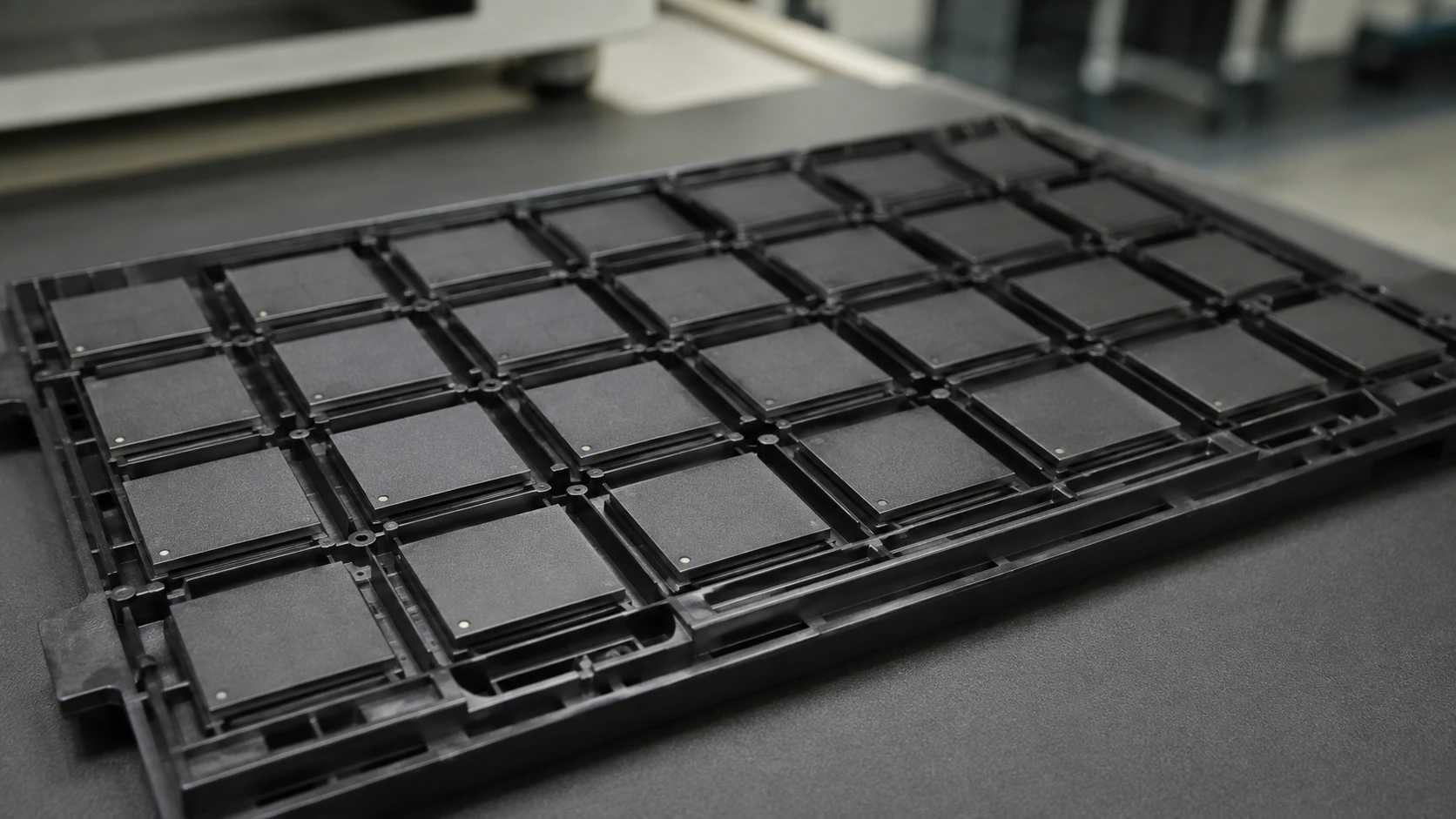
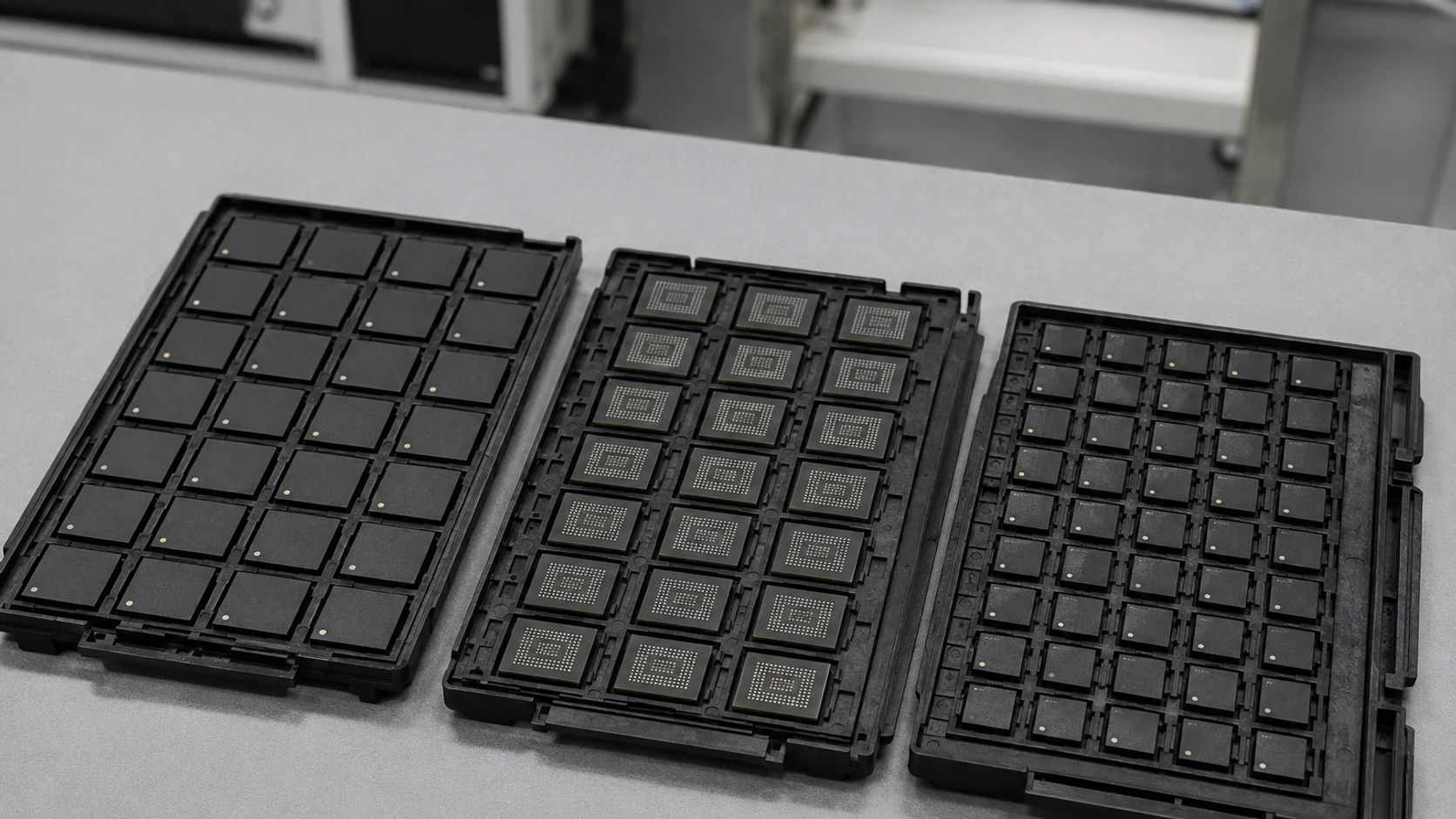
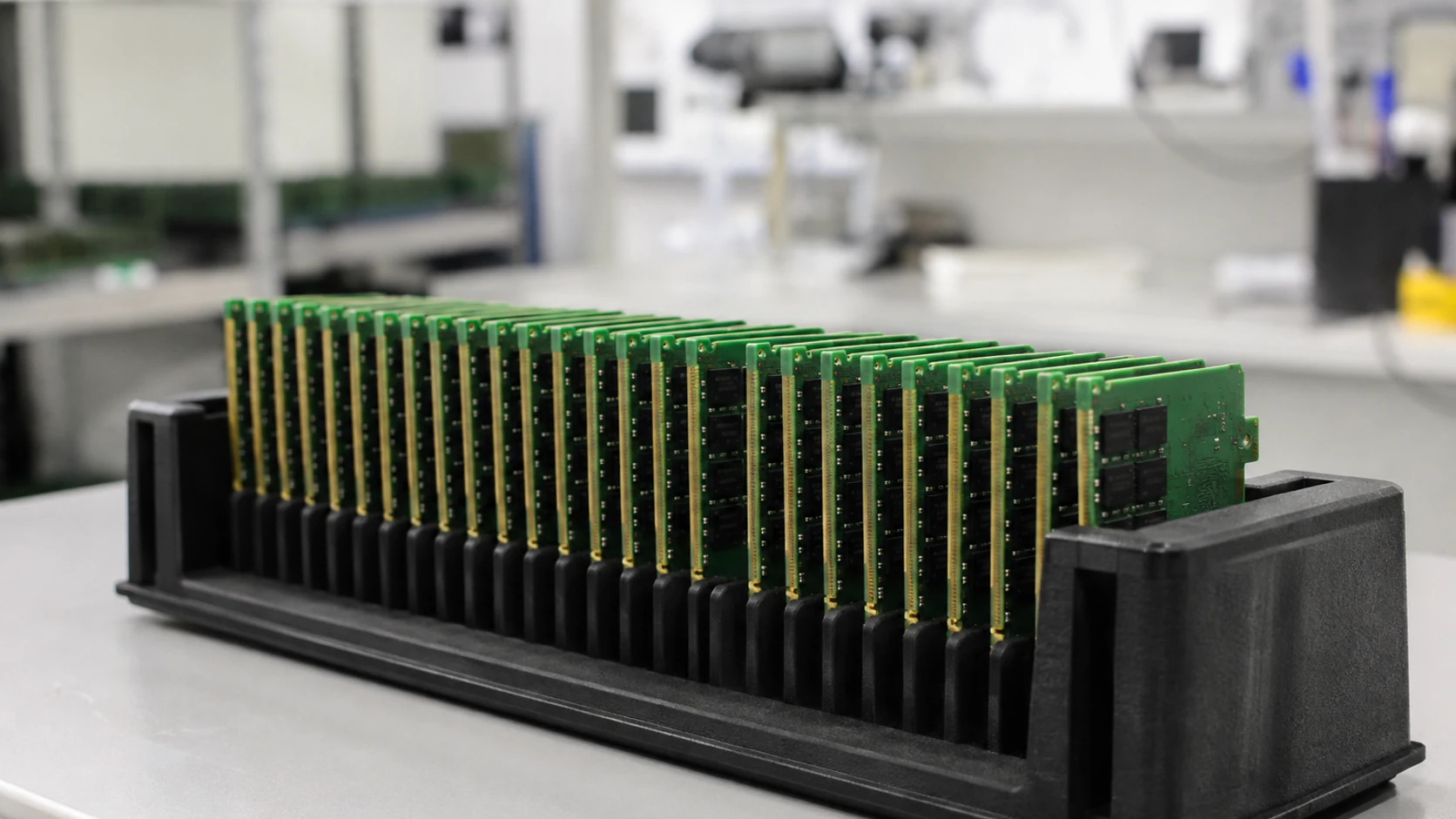
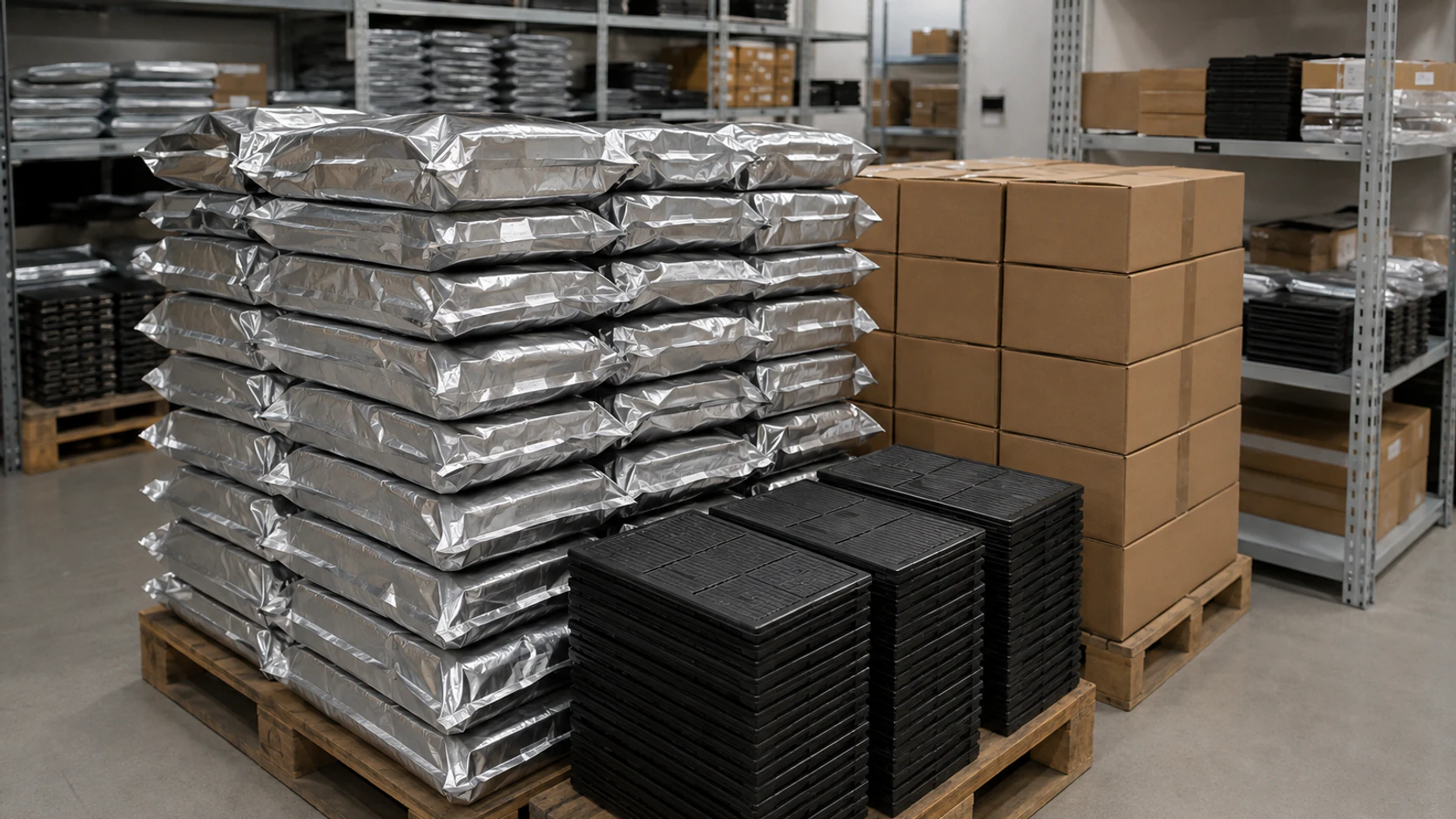
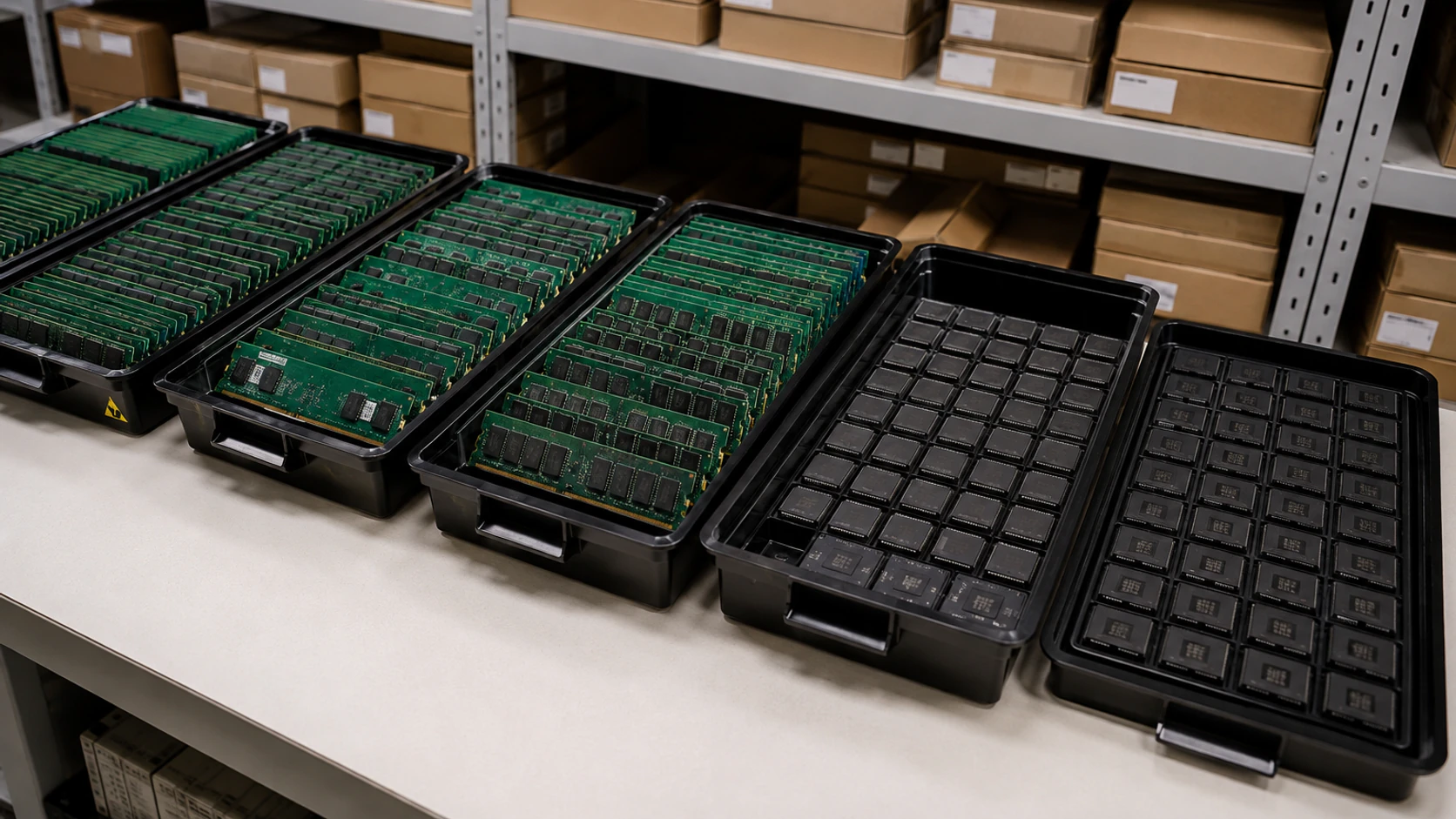
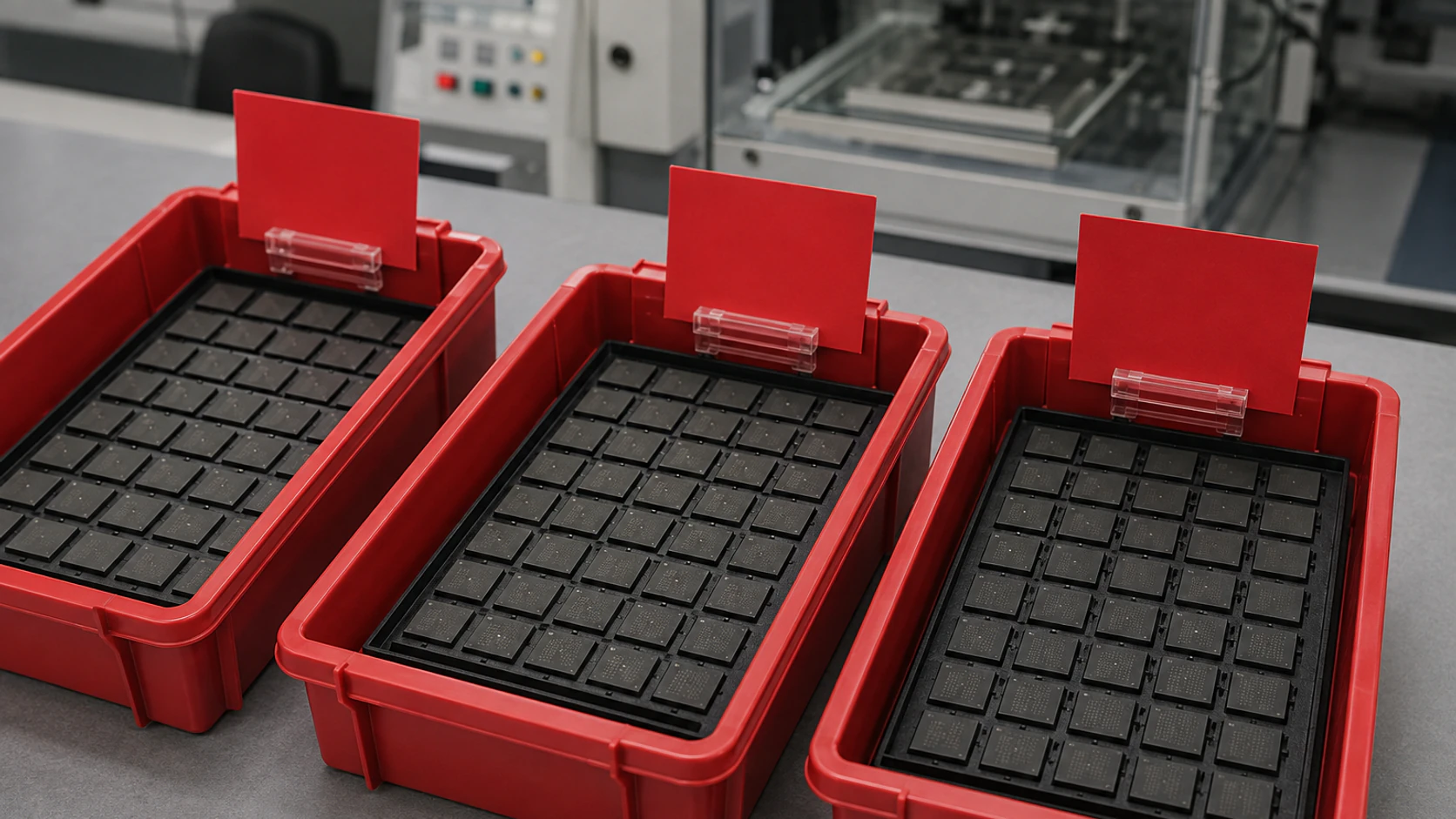
Original editorial imagery illustrating typical recovery workflows; not documentary photography of the Huirong facility.
Reviewed material conditions
Factory excess, obsolete, engineering and test materials are different risk profiles. Suspected scrap or waste is reviewed separately and is never assumed to be eligible for import or processing.
Unallocated or over-produced inventory with available production and ownership records.
End-of-life or slow-moving materials that no longer fit the holder’s current demand.
Samples, validation lots and pre-production materials requiring case-by-case review.
Packaged components or modules remaining after a production program or forecast change.
Lots without a current test record that may require sample verification or sorting.
Materials with known test history; eligibility depends on defect type, documentation and destination.
From product name to qualified lot
The same part number can require a different route when packaging, lot consistency, storage, test history, source authority or location changes. Product identification is followed by evidence review and, where appropriate, project-defined inspection or testing.
See memory testing and qualification checkpoints →Common questions
Start with the facts you already have. Missing details can be clarified during preliminary review.
Businesses can submit bulk DRAM, NAND Flash, eMMC, UFS, SSD and memory-module inventory. Factory-sealed, opened, obsolete, engineering, untested and test-reject lots may be reviewed according to their actual identity, condition, source and location.
Part numbers, approximate quantities, packaging, known condition, current country or location and clear photographs are the most useful starting points. An inventory list can be attached when available, and unknown details can be stated plainly.
No. Submission starts a preliminary review and does not guarantee purchase, recoverable value, import eligibility, testing, processing or resale. Any route is confirmed only after project-specific technical, documentary, logistical and commercial review.
Have inventory?
Start with part numbers, quantities, condition, location and clear files.
Submit inventory ↗Focused recovery routes
Use a format-specific checklist for packaged DRAM chips, DDR and DIMM modules, or NAND Flash and managed-storage lots.
Start with the inventory details
Send the inventory list, part numbers, quantities or clear photos for a preliminary review.