Raw NAND Flash packages
List the manufacturer part number, density, package, date or lot code, quantity, packaging and known test status for each distinct line.
 Get a quote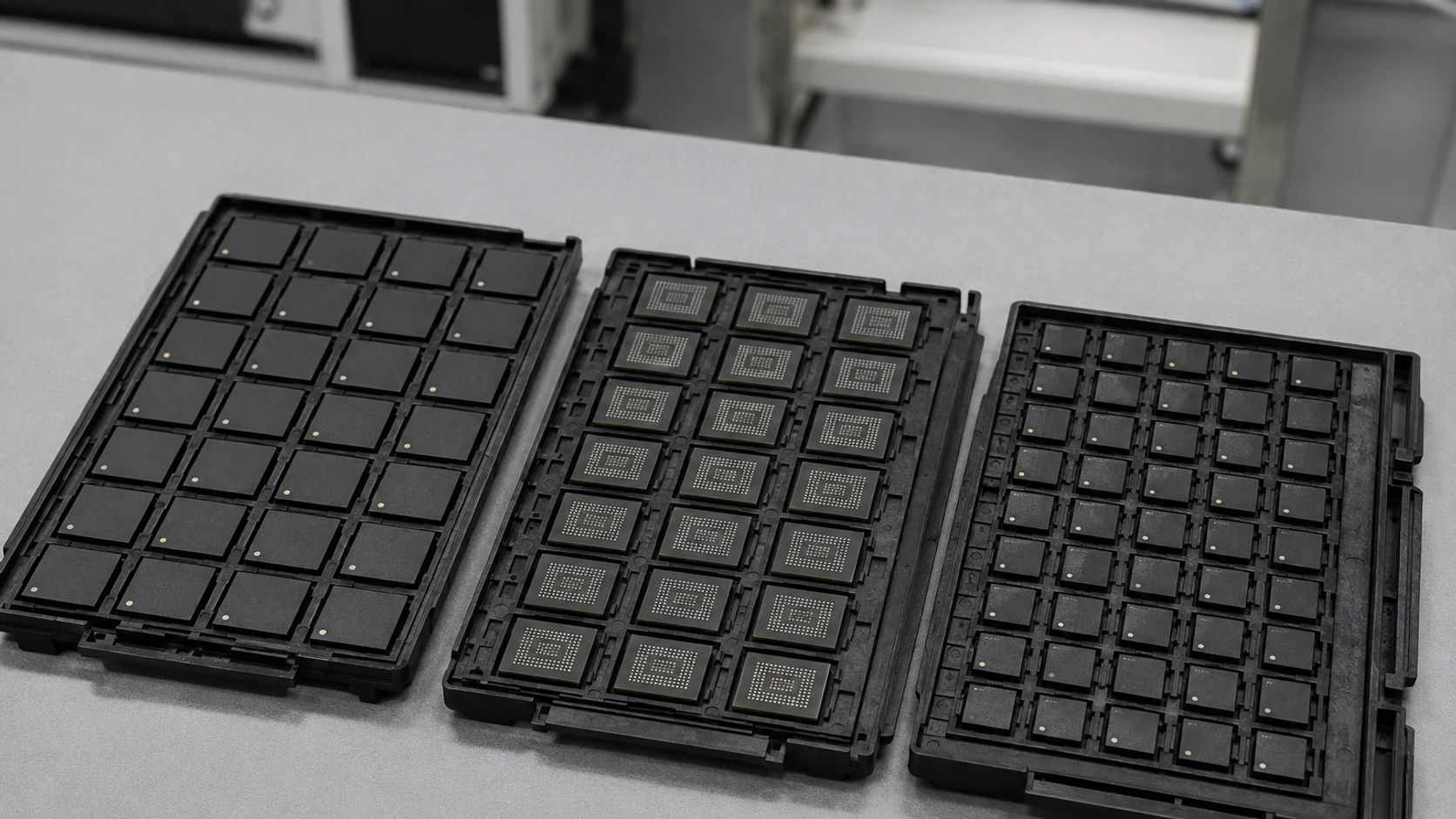
NAND and storage recovery
A focused intake route for surplus NAND Flash, eMMC, UFS and SSD inventory from semiconductor, electronics and enterprise-asset channels.
Inventory groups
Different formats carry different identity, test, packaging and data-handling questions. Clear groups make the first review more useful.
List the manufacturer part number, density, package, date or lot code, quantity, packaging and known test status for each distinct line.
Separate production surplus, engineering lots, opened packaging, untested material and known test rejects so the review reflects their actual condition.
Identify complete drives separately because they may contain user or operational data and require a written data-handling scope before movement.
Evidence checklist
Unknown information does not need to be guessed. Mark it as unknown and provide the evidence that is available.
Manufacturer, full part number, density or capacity, package or form factor, and available date or lot codes.
Approximate or counted units for each part number and condition group, without combining unlike materials.
Factory sealed, opened, production surplus, engineering, obsolete, untested, test reject, working pull or another factual description.
Tray, reel, tube, moisture-barrier bag, bulk package or drive-level packaging, supported by clear representative photographs.
Current country, ownership or disposal authority, source channel and any records that support traceability.
Known test stage, failure category, sample results or device records. State plainly when no testing has been completed.
Data-bearing assets
Raw memory packages and complete storage devices should not be treated as the same material. If SSDs or other data-bearing equipment are included, identify them before submission so custody, data treatment, logistics and records can be agreed for that specific project.
Read the compliance notice →NAND inventory questions
These answers describe the preliminary intake route. Final eligibility, testing, logistics and commercial terms remain project-specific.
Businesses can submit bulk raw NAND Flash packages, eMMC, UFS and SSD inventory for preliminary review. Each product family, part number and material condition should be listed separately where possible.
Yes. Obsolete, opened, engineering, untested and test-reject lots can be submitted when their identity, condition, source, location and available evidence are described accurately. Submission does not guarantee acceptance or value.
Provide readable product labels and part markings, an overview of the lot, packaging condition, tray or reel labels, moisture-barrier packaging and any visible condition issues. Avoid using only one distant warehouse photograph.
Identify data-bearing devices separately. Data removal, wiping, physical handling, destruction or another treatment must follow the project-specific written agreement rather than an automatic website-wide process.
No. Purchase, recoverable value, testing, import eligibility, logistics and processing depend on project-specific technical, documentary, regulatory and commercial review.
Have NAND inventory?
Send quantities, current location, clear representative files and the test history you actually have.
Submit NAND inventory ↗Need a broader view?
Review every supported memory family, then use the value guide to understand how identity, evidence, condition and project costs affect assessment.
Prepare your inventory
See how to separate component formats, describe packaging and test status, and identify data-bearing devices before requesting a review.
Read the storage inventory preparation guide →Start with the inventory details
Send the inventory list, part numbers, quantities or clear photos for a preliminary review.