
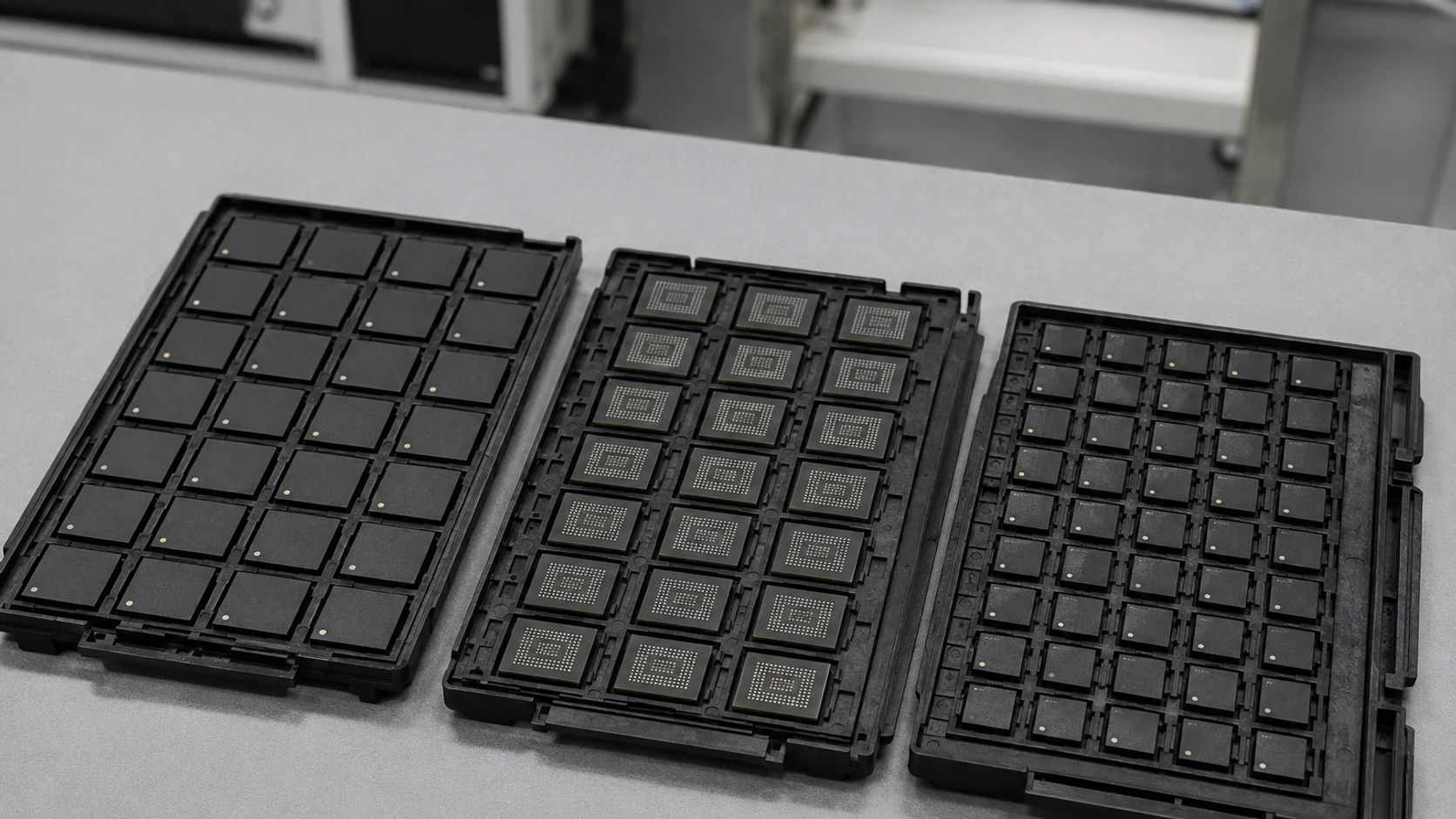
Separate raw packages, managed storage and complete drives
Raw NAND Flash packages, eMMC or UFS components and complete SSDs are different inventory groups. They carry different identity, test, firmware, packaging and data-handling questions, so they should not be combined under one generic storage description.
Create separate spreadsheet lines for each product family, manufacturer part number and declared condition. If the inventory includes complete drives or other data-bearing devices, identify them before arranging samples or shipment.
Record the full product identity
Use the complete manufacturer part number, including suffixes. For raw NAND, record density, package and available lot or date codes. For eMMC and UFS, include capacity, package and revision information where it is known. For SSDs, record the manufacturer, model, capacity, form factor and interface.
Do not infer a part number from appearance alone. Put unreadable, relabeled or mixed-marking material in a separate group and explain what is known.
- Product family and manufacturer
- Complete part number or model
- Density or capacity and package or form factor
- Lot code, date code or revision where visible
- Quantity and unit of measure
- Current city and country
Describe the condition without upgrading it
Keep factory-sealed, opened, production surplus, engineering, obsolete, untested and known test-reject lots separate. A commercial description such as excess inventory does not prove electrical condition, authenticity or downstream demand.
If material has mixed or unknown history, state that directly. Accurate uncertainty gives reviewers a better basis for deciding whether photographs, additional records or a representative sample are needed.
Document packaging, storage and handling
Photograph tray or reel labels, moisture-barrier packaging, desiccant or humidity indicators where available, outer cartons and representative top markings. Include images of any opened bags, damaged packaging, contamination or inconsistent labels.
Describe the storage environment and known handling history. Packaging evidence supports identity and handling review, but it does not by itself establish electrical performance.
Preserve available test and failure information
Provide the test stage, method, sample size and result summary when records are available. For test rejects, include the known failure category and whether it applies to the complete lot or only a sample.
Untested inventory should be described as untested. A preliminary review may define a project-specific sample, inspection or test scope, but no universal test plan applies to every NAND, eMMC, UFS or SSD lot.
Treat SSDs as data-bearing devices
Complete SSDs can contain customer, operational or personal data. Identify them separately from raw packages and managed-storage components before movement or evaluation.
Data erasure, media removal, physical handling, destruction or another disposition must follow the written project agreement. Do not assume that one treatment method applies to every device or jurisdiction.
Confirm ownership, restrictions and location
Only submit inventory that the supplier owns or is legally authorized to offer. Disclose customer restrictions, return obligations, destruction requirements, export limitations or other controls that may affect the project.
State the current location and basic logistics facts. Cross-border eligibility, transport and destination requirements are reviewed case by case and can affect whether a practical route exists.
Understand the preliminary review outcome
A complete submission can reduce clarification rounds, but it does not guarantee purchase, recoverable value, import eligibility, testing, processing or resale. The next step may be a request for records, photographs, representative samples or a decision not to proceed.
Commercial terms should be confirmed only after the relevant technical, documentary, logistical and compliance facts have been reviewed.
Common questions
Can raw NAND, eMMC and UFS be listed in one inventory file?
Yes, but separate each product family, complete part number, condition and quantity into distinct lines.
Can opened moisture-barrier packaging be submitted?
Yes, for preliminary review. Clearly identify opened packaging and provide photographs and known storage or handling information.
Can untested or test-reject storage components be reviewed?
They can be submitted when the condition and available test history are described accurately. Submission does not guarantee acceptance or value.
How are SSDs with possible customer data handled?
Identify them as data-bearing devices. Any wiping, removal, destruction or other treatment must follow the project-specific written agreement.
Does submitting the list create a purchase commitment?
No. Submission begins a preliminary review and does not guarantee purchase, value or a particular recovery route.
Ready to start with the facts?