Factory-sealed production surplus
Model-specific or mixed packaged IC inventory with readable manufacturer labels, part numbers, quantities and packaging records.
 Get a quote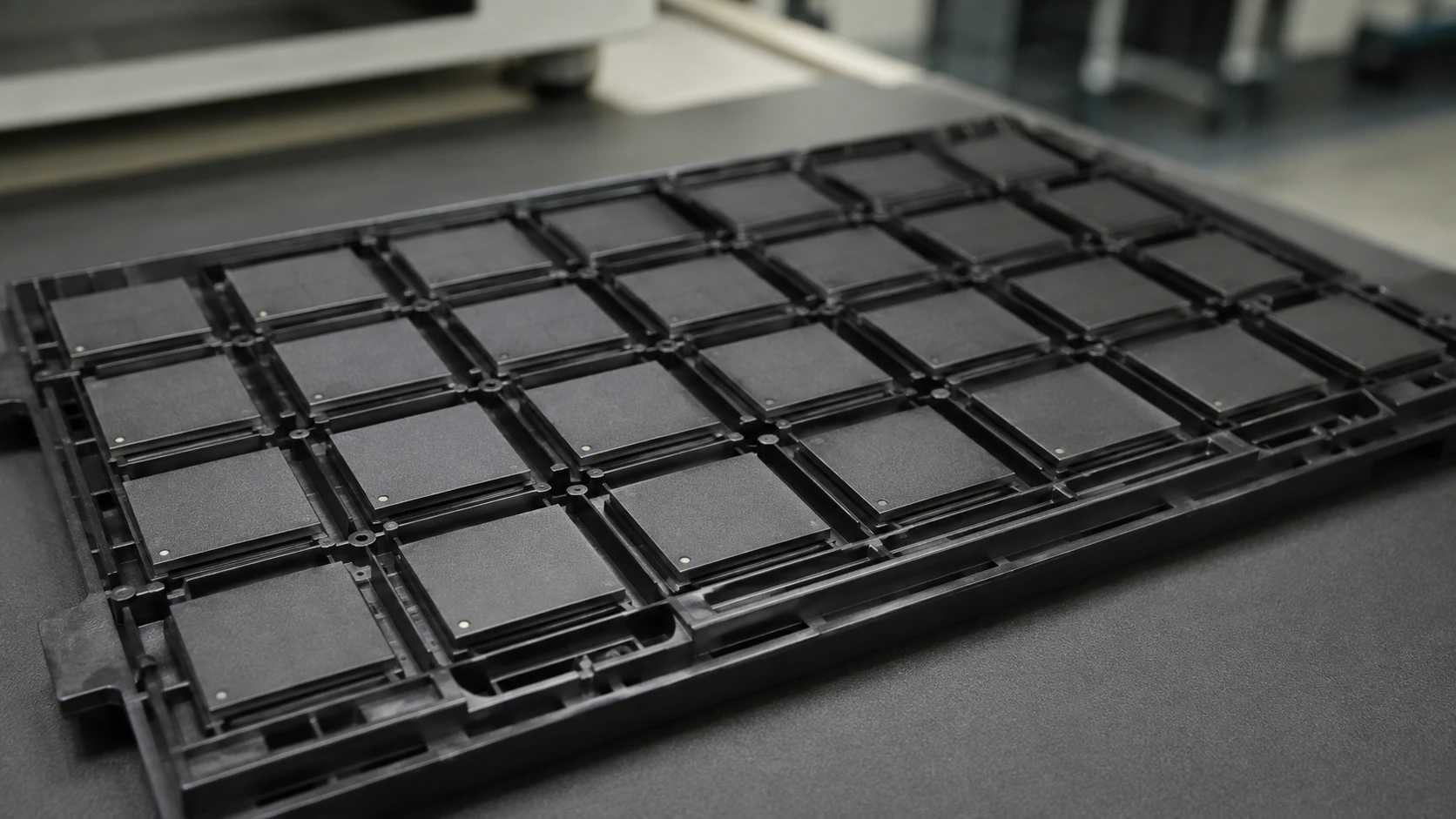
Packaged DRAM recovery
A focused intake route for packaged DDR3, DDR4 and DDR5 IC inventory from semiconductor, OSAT, electronics and distribution channels.
DRAM lot types
Condition groups help reviewers understand the evidence, uncertainty and appropriate next step for each part number.
Model-specific or mixed packaged IC inventory with readable manufacturer labels, part numbers, quantities and packaging records.
Tray, reel, tube or moisture-barrier packaging described by its actual condition, date or lot code and available project history.
Lots separated by known test stage or failure category, with sample data or records included when they exist and unknowns stated plainly.
Inventory evidence
Provide what is known and mark missing information as unknown. Clear evidence is more useful than an unsupported assumption.
Use the complete manufacturer part number from the package marking, label or inventory record rather than a shortened family name.
Identify the available density, DDR generation and other confirmed technical attributes without inferring missing specifications.
State the package type and counted or estimated quantity for each distinct part number and condition group.
Include readable date, lot, tray, reel and moisture-barrier labels where available, supported by representative photographs.
Separate factory-sealed, opened, obsolete, engineering, untested and known test-reject inventory.
Provide the current country, source channel, ownership or disposal authority and available traceability records.
Material separation
Loose packaged ICs, assembled DIMM or SODIMM modules and complete data-bearing equipment need different descriptions and may follow different testing or handling routes. Keep them in separate inventory lines before submission.
Review the server-memory route →DRAM inventory questions
These answers describe the preliminary intake route. Final eligibility, testing, logistics and commercial terms remain project-specific.
Businesses can submit bulk packaged DRAM IC inventory, including DDR3, DDR4 and DDR5 lots, for preliminary review. Each part number, quantity, package, condition and test status should be identified separately where possible.
Yes. Older, obsolete and opened lots can be submitted when their identity, packaging condition, source, location and available evidence are described accurately. Age alone does not determine acceptance or value.
They can be submitted as separate condition groups. Identify the known test stage, failure category, markings and available records without mixing them with production-qualified or sealed inventory.
No. Packaged DRAM ICs and assembled DIMM or SODIMM modules should be listed separately because their identity, evidence, testing and possible recovery routes differ.
No. Purchase, recoverable value, testing, import eligibility, logistics and processing depend on project-specific technical, documentary, regulatory and commercial review.
Have packaged DRAM?
Send readable markings, packaging photographs, current location and the test history you actually have.
Submit DRAM inventory ↗Guides and adjacent formats
Use the inventory-list guide for evidence fields, or review the requirements for NAND and managed-storage material.
Start with the inventory details
Send the inventory list, part numbers, quantities or clear photos for a preliminary review.